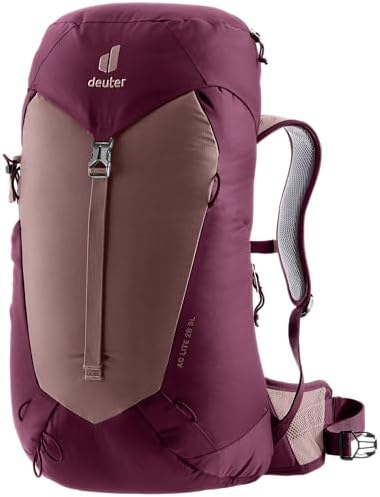
The Deuter AC Lite SL is not a simple “pick your favorite size” hiking pack. Buyer feedback across the 14L, 22L, and 28L/28 long points to one main decision: this pack works best when its shorter SL fit and curved ventilated back match your body and packing style.
Buyers who get that match often report light carry, less back sweat, and comfortable day-hike use. Buyers who miss it tend to complain about a short back length, a high hip belt, limited pockets, awkward bottle storage, or reduced usable space due to the curved back panel.
The 22L has the cleanest buyer signal. The 14L and 28L need more careful size judgment.
Scorecard
| Metric | Result |
|---|---|
| DVSS Score | 83.40 |
| Satisfaction Tier | Excellent |
| Dissatisfaction Score (DS) | 8.60% |
| Critical Dissatisfaction Rate (CDR) | 6.70% |
The score supports a positive buyer pattern, but the complaints are meaningful. This is not a broad-fit pack. It rewards the right body fit and simple day-hike packing.
Based on buyer feedback patterns, not hands-on testing. See how this scoring works.
Quick Take
- Best For: Day hikers who want light carry, airflow, and a shorter women-specific fit.
- Not For: Taller or longer-torso buyers who need a lower hip-belt position.
- Top Strength: Buyers often report comfortable, ventilated carry when the fit works.
- Main Limitation: Pocketing and usable packing space are not generous.
Key Practical Stats
- Reviewed sizes: 14L, 22L, 28L / 28 long
- Strongest use case: Day hiking
- Best-supported size: 22L
- Main size risks: 14L capacity limits, 22L back length, 28L organization and durability complaints
- Reported body-fit limits: Buyer feedback includes fit concerns at 1.72 m, 1.80 m, and 46 cm back length
The Real Buying Question Is Fit, Not Just Capacity
Buyers do not describe the AC Lite SL as a pack that adapts to everyone. They describe it as a pack that feels excellent when the fit lines up.
That matters because the positive and negative feedback often point to the same design. The SL shape, hip belt, shoulder straps, and ventilated back are what many buyers like. They are also why some buyers return it.
Owners with a good match report a comfortable fit, low shoulder pressure, and easy day-hike carry. Some say the hip strap helps reduce the load on the shoulders. Others say the pack fits well, feels light, and works especially well for women or those with smaller frames.
The miss cases are sharp. A 22L buyer at 1.80 m said the hip belt sat much too high. Another buyer said the 22L was too short, even with a 46 cm back length, and could not be adjusted properly.
A 14L buyer at 1.72 m called it definitely too small. In the 28L group, one buyer said the shoulder area felt too narrow, and the hip area pressed painfully.
That does not make the pack poorly designed. It makes it fit-sensitive. Buyers who usually do well with shorter women-specific hiking packs are more likely to be happy.
Buyers between sizes, taller users, or longer-torso users should treat the SL fit as the first filter.
The Ventilated Back Is the Main Strength and the Main Tradeoff
The strongest positive pattern is ventilation. Buyers repeatedly mention the back panel, airflow, and reduced sweating. Some report a drier back in warm weather.
One 14L buyer mentioned comfort in nearly 40°C heat. A 22L buyer said the mesh back helped on warmer tours. Rain-cover praise also appears across sizes, including one report of the 22L cover holding through three hours of steady rain.
But the curved back does not come free. Several buyers point to the space-and-load trade-off.
One 14L buyer said the ventilation system made the inside feel tighter when packing. A 22L buyer said the curved structure pushed the load farther from the body when the pack was full, resulting in a backward pull and back pain. The same buyer also found it awkward to place a larger bottle inside because of its curved shape.
So the pack makes the most sense for hikers who value back airflow more than a flat packing cavity. If you pack soft layers, snacks, water, and light day-hike gear, that tradeoff may be easy to accept.
If you pack bulky items or want the load to be close and compact, the design may feel less efficient.
Size Choice Changes the Verdict
The 14L is the compact option. Buyers like it for short day hikes, day trips, snow hiking, light travel, and secondary hiking use. Positive reviews mention comfort, lightness, ventilation, quick-access pockets, and the included rain cover.
The risk is capacity. Buyers who disliked the 14L said it was too small, lacked space for items, or did not work well for carrying bottles and umbrellas. Several also wanted more pockets.
This size works best for disciplined light packers, not buyers who want margin.
The 22L is the safest middle ground in the feedback. Buyers use it for day hikes, mountain day tours, long day hikes, travel-and-hiking days, and even shopping. Repeated comments point to comfortable carry, enough space for a day kit, useful ventilation, and good lightness.
Its weakness is still fit and access. Some buyers want more pockets. One left-handed buyer disliked the right-side access layout. A critical buyer said a 1L bottle did not fit well in the side pocket.
Longer-torso buyers also report the clearest fit problems here.
The 28L/28 long offers more room. Buyers mention medium hikes, day excursions, first trekking trips, day trips to Patagonia, and some two-day hikes. Positive reviews describe it as roomy, light, and comfortable when the fit works.
But the 28L feedback is less clean. Buyers complain about too few compartments, too few loops, too few exterior pockets, and an unadjustable back panel.
Durability feedback is also more mixed, with reports of snag holes, a bent support rod, and a closure tear after one hike. That keeps the 28L from being a simple “bigger is better” recommendation.
Organization Works for Simple Packers
Buyers who pack often seem satisfied. They mention top pockets, side pockets, pole holders, glasses storage, hydration bladder use, rain-cover storage, and phone access.
The complaints come from buyers who want more separation. The pattern appears across all sizes.
The 14L gets requests for hip-belt pockets and easier lower access. The 22L gets complaints about the lack of extra inside and outside pockets. The 28L gets the strongest pushback on outside pockets, loops, and attachment points.
This pack family is better for hikers who can live out of the main compartment. It is weaker for buyers who want maps, phone, wallet, snacks, bottles, and small gear separated across many exterior pockets.
Most Likely Disappointment
The buyer most likely to be let down is someone who wants this to be a highly adjustable, pocket-rich hiking pack with a broad body fit. The AC Lite SL works in a narrower lane. It performs best when the shorter fit matches the body, the load stays day-hike light, and the buyer accepts the curved back panel in exchange for ventilation.
Buy or Skip
Choose the Deuter AC Lite SL if your main problem is sweaty, uncomfortable day-hike carry, and you already know shorter women-specific packs tend to fit you. The 22L is the most defensible pick based on buyer patterns because it offers the best balance of space, comfort, and day-hike usefulness.
Be careful with the 14L unless you pack very light. Be careful with the 28L if you want lots of pockets, attachment points, or a cleaner durability signal.
Skip the family if you have a longer torso, need large-bottle access, dislike curved back panels, or want the hip belt to carry low and stable under a fuller load.
Check Price:
See More Options: Compare More Hiking Backpacks or Browse Deuter Hiking Backpack →
