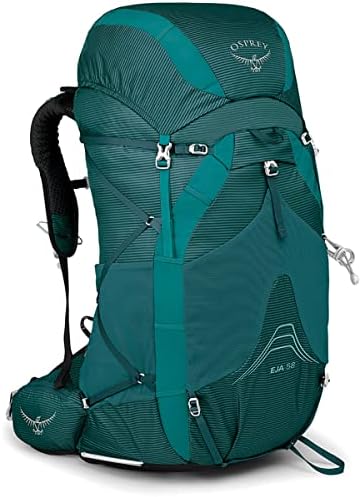
The Osprey Eja makes the most sense for women who want a lighter backpacking pack with strong adjustability, airy carry, and easy-access storage. The best buyer feedback centers on low weight, comfort, ventilation, and a fit system that works especially well for some smaller frames and shorter torsos.
This is not the safest pick for everybody. The strongest caution in the feedback is not about overall quality. It is about comfort and consistency. Some buyers loved the fit. Others ran into shoulder pressure, weak load transfer, awkward hip-belt use, or sizing confusion when ordering. That makes this a selective buy, not a broad recommendation.
Scorecard
| Metric | Value |
|---|---|
| DVSS Score | 67.05 |
| Satisfaction Tier | Fair |
| Dissatisfaction Score (DS) | 19.53% |
| Critical Dissatisfaction Rate (CDR) | 14.22% |
A DVSS score indicates a mixed outcome. The pack clearly works well for some buyers, but the downside risk is visible enough that fit matters more than brand trust or feature appeal alone.
Based on buyer feedback patterns, not hands-on testing. See how we score products.
Quick Take
- Best For: Women who want a lighter backpacking pack and are willing to be careful about fit and sizing
- Not For: Buyers who want a safer out-of-the-box comfort bet across different body shapes
- Top Strength: Low weight, ventilation, and adjustability
- Main Limitation: Comfort and fit can break down for the wrong torso shape or fit variant
Analysis
Fit Is the Main Decision, Not the Weight
The biggest decision layer here is fit. Positive reviews often describe the pack as easy to adjust, comfortable on the trail, and especially good for smaller frames or shorter torsos. That is a real strength, not a side note. Several buyers said the adjustment range helped them dial in a better fit than expected.
The problem is that the same area also drives the main disappointment. A smaller group of dissatisfied buyers reported shoulder pressure, poor load-lifter performance, low hip-belt comfort, or a frame that did not suit their torso length. That means the pack’s comfort story is not broadly stable across users. It looks more body-dependent than the strongest positive reviews suggest.
This is why the Eja reads less like a universally safe women’s hiking pack and more like a pack that can feel excellent when the fit matches and frustrating when it does not. For this product, that is the first filter, not a secondary detail.
The Best Case Is Strong: Light, Airy, and Trail-Friendly
When the fit works, buyers often sound very satisfied. The repeated praise is clear: the pack feels light, stays comfortable over distance, and offers good airflow in warm conditions. Several buyers also liked the outer stretch storage, belt pockets, attachment points, and removable lid.
That makes the pack appealing to women who want a lighter-feeling backpacking setup without sacrificing adjustability or practical trail storage. Some feedback also supports overnight, multi-day, and longer hiking use, but the positive verdict still depends on fit first.
Storage Is Useful, but Convenience Has Limits
The layout gets more praise than criticism. Buyers often call the pack functional, roomy, and easy to organize. Outer pockets and attachment options show up more than once as practical strengths.
Still, convenience is not perfect. A few buyers found bottle access difficult during movement, and some described the hip-belt pockets as awkwardly placed or hard to close. One buyer also wished it had bottom access. These are not dominant complaints, but they matter because they affect trail usability, not just preferences on paper.
Ordering Risk and Weather Readiness Need More Attention Than Usual
One recurring issue has nothing to do with trail performance. It is buying confidence. Multiple reviews mention confusion between regular and extended-fit versions, and some buyers said the wrong fit arrived or the listing did not make the distinction clear enough. That is important because this pack already has a narrower fit window than its best reviews imply.
Weather protection is another limit. More than one buyer complained about the lack of a rain cover, and one owner explicitly said the pack is not waterproof and suggested using a liner or dry sacks. That does not sink the product, but it does narrow its convenience for buyers who expected more built-in weather readiness.
There are also a few durability complaints, including reports of stitching separation and easy breakage. The broader pattern still leans more positive than negative on quality, so I would treat durability here as a caution flag rather than the main verdict.
Available Sizes
- 38L
- 48L
- 58L
Capacity choice matters, but it does not solve the bigger issue. Buyer feedback suggests that torso fit, frame match, and regular-versus-extended fit selection are more important than volume alone.
Most Likely Disappointment
The buyer most likely to feel let down is a woman who wants a lightweight backpacking pack that feels great right away, with minimal trial and error. This looks riskier for shoppers with longer torsos, sensitivity around shoulder pressure, or little patience for sorting through fit-version details before ordering.
Buy or Skip
Buy the Osprey Eja if you are specifically looking for a women’s backpacking pack that feels lighter, ventilates well, and lets you fine-tune the fit. The best buyer feedback is strong enough to support that use case.
Skip it if you want a more forgiving fit across body types or if shoulder comfort is already a concern. This is not a bad pack, reduced by one small flaw. It is a fit-sensitive pack with a real upside and a real miss rate. The right buyer may rate it very highly. The wrong buyer may return it fast.
Check Price:
See More Options: Compare More Hiking Backpacks →
