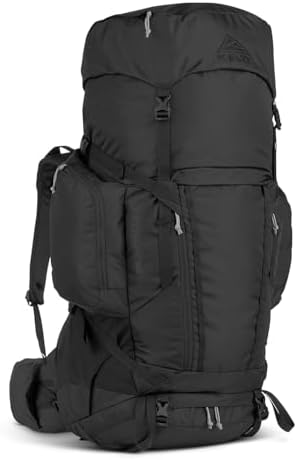
The Kelty Coyote makes the strongest case for backpackers who want a large-capacity hiking pack with real storage, decent trail comfort, and a price that feels easier to justify than many premium alternatives. The appeal here is not low weight or stripped-down efficiency. It is about getting a lot of usable space, helpful access points, and a carry system that many buyers say feels better than expected for the money.
That said, this is not the kind of pack I would treat as universally easy to recommend. Buyer feedback is clearly mixed on weight, fit, and long-term durability. Some owners say it carries heavy loads comfortably and feels well built, while others report hard or undersized straps, awkward design choices, or parts that failed sooner than expected. So the real buyer fit is narrower than the headline score suggests.
Scorecard
| Metric | Value |
|---|---|
| DVSS Score | 91.97 |
| Satisfaction Tier | Exceptional |
| Dissatisfaction Score (DS) | 3.86% |
| Critical Dissatisfaction Rate (CDR) | 2.39% |
A standout satisfaction signal with very limited downside evidence.
- Based on buyer feedback patterns, not hands-on testing. See how we score products.
Quick Take
- Best For: Budget-minded backpackers who want a roomy pack for multi-day hiking
- Not For: Buyers who are sensitive to pack weight, strap shape, or awkward pocket layouts
- Top Strength: Comfort and storage for the price
- Main Limitation: Fit and design details can frustrate some users
Key Practical Stats
- One buyer reported the 105L pack weight at 5.5 lbs.
- Multiple buyers said it handled around 50 lbs. comfortably once adjusted well.
- One buyer said the 65L works well for about 3–5-day trips.
- One buyer said the 85L fit a BV500 bear canister horizontally.
Where the Kelty Coyote Earns Its Strong Reputation
The recurring positive pattern is simple. Buyers like the comfort, the storage, and the value. The buyer feedback describes the product as well-made, spacious, comfortable, and packed with easily accessible storage, and notes that customers see it as good value for money.
That broad summary matches the review details. Several owners said the suspension system helped them dial in the fit, and many described the pack as comfortable even under heavier loads. Some specifically mentioned 40 to 50 pounds as feeling manageable, while others praised the thick padding, supportive waist belt, and good weight transfer to the hips.
This is why the product scores so well. It gives many buyers the feel of a serious backpacking pack without forcing them into a premium-price decision. That makes it especially appealing for buyers who care more about practical trail function than about shaving every ounce.
Storage Is More Than a Bullet Point Here
A lot of hiking packs claim to offer organization, but this one gets repeated praise from buyers for it. Owners regularly mention the number of pockets, access options, and attachment points. Several liked the separate sleeping-bag access, side-access zippers, roomy outer pockets, and the ability to carry bulky gear like a bear canister, tent, chair, or extra food without feeling boxed in.
That matters because the Kelty Coyote is clearly built for people who do not want an ultra-minimal layout. Buyers who carry more gear, winter items, or shared group gear seem especially positive about the available space. Some also liked that the larger sizes could be cinched down when not full, which made the pack feel more flexible than the raw liter count would suggest.
The limitation is that the storage design is not universally loved. Some buyers found the side pockets awkward, hard to reach, or poorly placed once loaded. Others disliked the divider setup near the sleeping bag section or thought some pockets opened too narrowly. So yes, there is a lot of storage here, but not all of it feels refined.
The Fit Story Is Good, but Not Clean
This is where the product gets more complicated. Many buyers found the pack comfortable, but the negative feedback is not random. It clusters around strap shape, strap padding, waist-belt fit, and how the pack sits on different body types. The source summary already flags mixed feedback on fit and weight, and the detailed reviews explain why.
Some owners said the shoulder straps felt too small, too hard, or not padded enough for the load the pack can carry. A few larger or taller hikers said the hip-belt-and-shoulder setup felt undersized, especially in the 105L when the pack was heavily loaded. One buyer even liked the overall design but still said it was not ideal for really heavy loads or larger hikers because of those strap proportions.
That does not cancel out the strong comfort feedback. It just narrows the recommendation. When this pack fits someone well, it can feel like an excellent value. When it does not, the discomfort seems noticeable enough to become the whole story.
Durability Looks Positive Overall, but Not Fully Settled
The durability signal is good enough to support the overall verdict, but not clean enough to call this an easy durability pick. The source summary says durability is mixed: some buyers call it durable, while others report it falling apart after only a few hikes.
There is solid positive evidence. Some buyers reported seasons of use, repeated heavy loads, and good performance from the zippers, seams, and general structure. Others said the pack held up after regular use in rough conditions or after carrying substantial weight over multiple trips.
Still, the downside shows up too often to ignore. A few buyers reported seam issues, sternum strap failures, shredded mesh pockets, or thin-feeling materials. So the more accurate conclusion is this: durability appears good for many buyers, but it is not consistent enough to be the lead reason to buy.
Available Sizes
- 65 Liter
- 85 Liter
- 105 Liter
One caution is worth stating clearly. Size choice seems to affect satisfaction more than average. Some 65L buyers later wished they had sized up for winter gear, while some 105L buyers liked the space but admitted it could become overkill, top-heavy, or easy to overpack.
Most Likely Disappointment
The buyer most likely to regret this pack is the one who wants refined ergonomics, low empty weight, and a cleaner, more polished pocket layout. That is especially true for someone who already knows shoulder straps, waist-belt shape, or torso fit are common pain points. The Kelty Coyote offers a lot of pack for the money, but it still has rough edges that more selective buyers may notice quickly.
Works Well With
- Bear canisters, including buyer-reported fit for a BV450 and, in some setups, likely a BV500, depending on size and packing style.
- Trekking poles, which buyers explicitly mentioned carrying externally with the available attachment points.
- Tent, fishing gear, chair, and water bladder setups, since multiple reviews describe using the external loops, pass-throughs, or internal space for exactly those items.
Buy or Skip
Buy this if you want a roomy hiking backpack for multi-day trips, and you care most about space, access, and comfort-for-price. The strongest fit is a budget-minded backpacker who carries real gear, values lots of pockets, and is willing to accept a heavier, less refined pack if it carries well once adjusted.
Skip it if you are highly sensitive to strap comfort, need a more universally forgiving fit, or want a cleaner design with fewer awkward storage compromises. I would also be careful if you are choosing the largest size simply because bigger sounds safer. With this pack, more liters can also mean more bulk, more temptation to overpack, and a less tidy carry.
- Check Price: Kelty Coyote on Amazon →
- See More Options: Compare More Hiking Backpacks →
