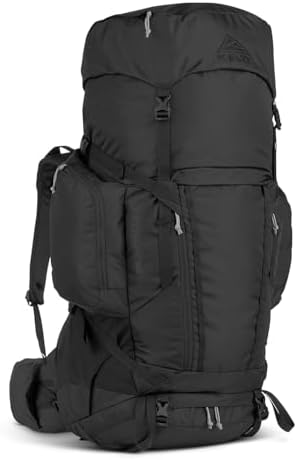
The Kelty Coyote works best if extra room is the problem you need to solve; it becomes harder to justify if you want light carry, built-in rain protection, or a pack that feels dialed in before fit and load are checked. That fork matters because this is not a polished ultralight pack trying to disappear on your back. It is a value-first large hiking backpack for multiday gear, bulky sleep systems, extra food, and bigger trail loads.
This review focuses on the 65L, 85L, and 105L sizes, while older or version-specific feature details should be handled with caution. The safer decision is to focus on the family’s capacity value, the fit check, and the size choice that changes the buy-or-skip call. The scorecard explains why the Coyote deserves attention, but it should not replace the size and fit checks that follow.
Scorecard
| Metric | Value |
|---|---|
| DVSS Score | 91.97 |
| Satisfaction Tier | Exceptional |
| Dissatisfaction Score (DS) | 3.86% |
| Critical Dissatisfaction Rate (CDR) | 2.39% |
Based on buyer feedback patterns, not hands-on testing. See how this scoring works.
The scorecard points to strong satisfaction across the Kelty Coyote family, but it does not settle on fit, durability, waterproofing, load behavior, or the size decision. That matters here because the same pack family can look like a smart value buy in the right size and like too much pack in the wrong one. Read the score as a positive starting point, then check the 65L, 85L, and 105L trade-offs before making a choice.
Quick Take
- Best For: Backpackers who want large-capacity value and are willing to choose size carefully.
- Not For: Ultralight buyers, premium-refinement shoppers, or anyone who wants no-fuss comfort.
- Top Strength: Spacious carry for bulky multiday gear at a value-first price point.
- Main Limitation: Check fit, rain planning, pocket access, and size discipline before buying.
The quick version is simple: the Coyote wins on space first, and every tradeoff starts from that fact.
Why the Coyote Makes Sense When Space Is the Problem
Use it when space beats lightness: The Coyote makes the most sense when space is the real buying problem. Its strongest appeal is the room it gives for multiday hiking gear without pushing the decision toward a premium-price pack.
That capacity matters if your kit includes bulky sleep gear, extra food, cold-weather layers, or larger trail items that make smaller hiking packs feel cramped. The Coyote is not the lightest or most polished answer. It is strongest when capacity and value matter more than polish.
Fit work comes before comfort and confidence: The carry story needs a check. The Coyote has support potential, but comfort depends on torso fit, hip-belt placement, shoulder feel, and how the load sits once the pack is full.
Check fit before treating the positive carry read as your own outcome. Fit matters even more if you are thin, plus-size, tall, long-torsoed, or sensitive to shoulder pressure, because those cautions should be checked by size rather than assumed across the whole Coyote family.
Where the Value Starts to Ask for Compromise
Rain planning is part of the deal: The Coyote should not be treated as waterproof. A rain cover is not part of this pack’s buyer case, so wet-weather planning needs to happen separately.
The rain-cover gap does not make the pack a poor buy. It means a rain cover or dry-bag setup should be part of the real cost if you hike in wet conditions. If you want rain protection built into the pack decision, this limitation should move higher on your checklist.
Plenty of pockets does not mean effortless access: Storage is part of the appeal, but access is less clean than the capacity story. Side-pocket use can get awkward when the pack is loaded, especially around the bottle access and pass-through.
The practical catch is access. The Coyote can carry a lot, but the layout can feel more convincing while packing at home than when reaching for gear on trail. If fast access matters as much as capacity, check the pocket layout before buying.
Do not buy it as a toughness guarantee: The Coyote still earns consideration for capacity and value, but durability should not be treated as guaranteed. Rough or heavy use increases the risk of wear around seams, mesh pockets, straps, buckles, and the bottom.
The safer read is simple. Consider the Coyote for capacity and value, not because the score proves long-term toughness under every load.
Pick the Coyote Size Around Gear Bulk, Not Just Liters
Size deserves its own decision point because the 65L, 85L, and 105L versions do not solve the same buyer problem. This section is not a full-size guide. It is a shortcut for deciding which size best fits the review’s verdict and which might create the wrong trade-off.
Choose 65L if you pack with discipline, not a bulky winter margin
The 65L is the controlled choice because it works best when gear bulk stays low, and winter margin is not the main problem. It makes sense if you want a large hiking backpack for overnight, weekend, or shorter multiday packing without jumping into a much bigger bag.
The safer way to read the 65L is not “this size fits every short trip.” The 65L fits the controlled 3–5-day-style use case better than a bulky winter setup, and the 30–35 lb, 38 lb, and 45 lb examples should be treated as trip context rather than comfort limits or safe load ratings.
This size becomes easier to question once bulky winter gear or a larger sleep system is added to the load. If that sounds like your setup, the 65L may save space on paper while costing you packing margin in practice.
Start with 85L if bulky multiday gear is the real problem
The 85L is the cleanest middle option because it adds bulky-gear margin without making extra volume the main risk. It has the strongest role for bulky, multiday gear without needing to move straight to the 105L.
This is also where the bear-canister point becomes most useful. The 85L is the size to check for BV500-style bear-canister packing, but that should be read as a practical clue, not a promise that every bear canister or every packing setup will fit. The same caution applies to the 2-night / 3-day and 14-mile / 2-night examples: they help show the role, but they are not trip-duration guarantees.
The 85L can be the first size to check if you want more margin than 65L. Just do not turn it into an automatic winner. Fit still needs checking, and the CTA should remain size-listed rather than pushing 85L as the only answer.
Pick 105L only when extra volume solves a real problem
The 105L is the high-volume choice only when winter gear, shared gear, or extra food solves a real packing problem. It also makes sense when extended packing, camp cooking items, or family/kids’ gear create a volume need that the smaller sizes do not solve.
It is also the easiest size to misuse. The extra room can turn into an unnecessary load, and an overfilled 105L can feel heavy, top-heavy, or awkward. A 50 lb example belongs in the same careful category: useful context, not a load rating.
The 105L should earn its place based on a real volume need, not on the assumption that bigger is safer. For short trips, the extra buffer can become overkill if it encourages packing things you would otherwise leave behind. Choose 105L only when the added volume solves a specific problem that 85L does not.
Who Should Think Twice
Think twice if you want a lightweight backpacking pack with rain protection or refined pocket access. The Coyote is more about space and value than clean trail convenience or premium finishing.
Also, think twice if the uncertainty in the fit bothers you. The pack can work well when adjusted, but comfort is not automatic. Check torso length, hip-belt fit, shoulder pressure, and packed feel before relying on it for a longer hike.
The biggest size mistake is jumping to the 105L because it sounds safer. More room can help, but it can also make the pack easier to overload.
Buy or Skip?
Buy the Coyote if you need large-capacity hiking storage, value matters more than polish, and you are willing to check fit before trusting it with a heavier trip; skip it if you want ultralight carry, built-in rain protection, premium access, or a pack that feels right without adjustment.
Choose the 65L when discipline matters, check the 85L when bulky multiday gear is the real problem, and reserve the 105L for trips where extra volume solves more than it tempts you to carry.
Check Price:
See More Options:
