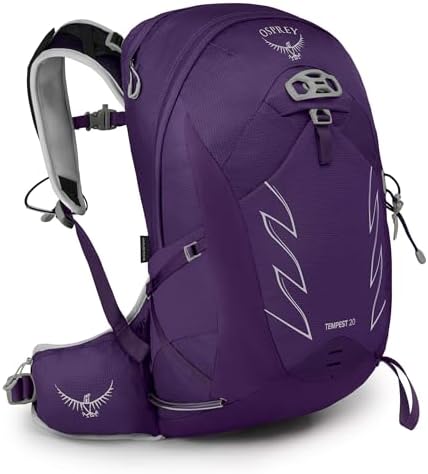
The real reason to consider the Osprey Tempest is not storage or brand reputation. It is the way many buyers describe the carry: lighter on the shoulders, more secure on the body, and more comfortable over a full day than cheaper or more casual daypacks.
That strength comes with a real condition. This is a women-specific line, and the positive feedback is strongest when the shape matches the buyer’s torso and frame. When it does not, the same pack that feels excellent for one person can feel short, awkward, or wrong through the shoulders, chest, or waist.
Scorecard
| Metric | Value |
|---|---|
| DVSS Score | 91.57 |
| Satisfaction Tier | Exceptional |
| Dissatisfaction Score (DS) | 4.34% |
| Critical Dissatisfaction Rate (CDR) | 2.14% |
The score is unusually strong, and the downside evidence stays fairly limited. The main caution is that complaints cluster around fit and hydration usability rather than broad dissatisfaction with quality.
Based on buyer feedback patterns, not hands-on testing. See how we score products.
Quick Take
- Best For: women who want a supportive hiking pack for day hikes and active travel
- Not For: buyers who need a more universal fit or easy hydration access
- Top Strength: stable, hip-supported carry that reduces strain on shoulders and neck
- Main Limitation: Body fit and pocket usability are more buyer-specific than the overall score suggests
Analysis
Why buyers keep choosing the Osprey Tempest
The strongest pattern in the reviews is carry comfort. Buyers repeatedly say the pack transfers weight well, sits securely, and feels good over long hikes, hot-weather outings, and full-day use.
That is what separates it from generic daypacks. Several buyers mention less pull on the neck and shoulders, and some specifically say the hip belt support made a meaningful difference. Ventilation also gets regular praise, though not without exceptions.
The fit is the real filter
This is not a product to treat as universally safe just because the overall satisfaction score is high. The positive fit feedback is very strong from many petite and shorter-torso buyers, and several say it finally solved the usual problem of packs sitting badly on the back or around the neck.
At the same time, a smaller but important set of buyers says the opposite. Longer-torso users, broader-shouldered users, and some fuller-chested users describe the fit as short, restrictive, awkward, or poorly placed through the upper body. That makes the Tempest less about “good or bad” and more about whether the women-specific geometry actually matches you.
The hydration complaint is too consistent to ignore
The most recurring functional complaint is the hydration setup, especially around the 20L version. Several buyers say the bladder sleeve is tight, awkward, or frustrating to use once the reservoir is full.
Some worked around it by loading the bladder first or sticking to a smaller reservoir. That softens the issue, but it does not remove it. If hydration convenience is central to how you hike, this is one of the clearest trade-offs in the review pattern.
Storage helps, but access is not always great
Most buyers like the overall layout. The waist pockets, front stash area, side pockets, and trail-oriented attachment points all get positive mention, and many say the bag carries more than it first appears to.
The issue is access and sizing. Several buyers say the belt pockets are too small for a phone, and some report awkward access to the side pockets or disappointing bottle retention. So the storage is useful, but not especially forgiving if you expect quick-access pockets to handle larger everyday items.
Key Practical Stats
- The 20L has the densest review evidence in this set
- Several 20L buyers say a 2L bladder fits, often tightly
- Multiple buyers say a 3L bladder is difficult or unrealistic in the hydration sleeve
- One 22L buyer reports carrying 4 liters of water comfortably on a desert hike
Most Likely Disappointment
The buyer most likely to be let down is someone who assumes the women-specific fit will automatically make the Osprey Tempest more comfortable. If you tend to struggle with short torso length, shoulder-strap spacing, chest fit, or waist-belt placement, this can quickly become a mismatch despite the strong overall reputation.
Buy or Skip
The best case for the Osprey Tempest is clear. It suits buyers who want a light hiking pack that feels more supportive and trail-ready than a basic daypack, especially if shoulder and neck relief matter more than maximum organization or easy reservoir access.
The weaker case is just as clear. Buyers who need a more universal fit, large hip-belt pockets, or hassle-free hydration loading should be careful, especially around the 20L. This is a strong product when the fit is right, but it is not the kind of high-scoring pack that makes sizing concerns irrelevant.
Check Price:
See More Options: Compare More Hiking Backpacks →
