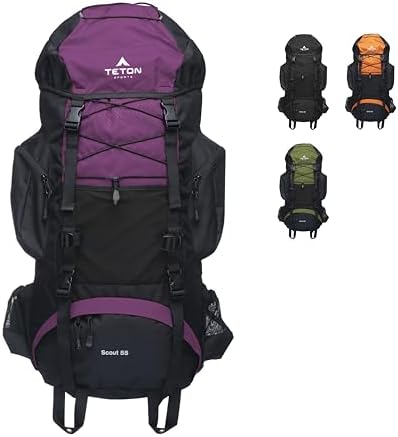
The Teton Scout makes sense for a very specific buyer. It is for someone who wants a real hiking-pack feel, plenty of compartments, and a low price, without expecting premium comfort or refinement. Across the feedback, buyers keep coming back to the same strengths: strong value, practical storage, helpful external attachment points, and enough capacity for beginner overnight trips or scout use.
The catch is fit. This pack gets a lot of love, but it does not read like a safe pick for every body type or every trail goal. Taller hikers, petite users, and people carrying heavier loads for longer distances show a more mixed pattern. This listing includes 45L, 55L, and 65L, but the evidence is deepest on the 55L, so that is where the verdict is strongest.
Scorecard
| Metric | Value |
|---|---|
| DVSS Score | 92,23 |
| Satisfaction Tier | Exceptional |
| Dissatisfaction Score (DS) | 3,62% |
| Critical Dissatisfaction Rate (CDR) | 2,06% |
A very strong satisfaction signal, with downside concentrated more around fit, heavier-use comfort, and scattered quality-control issues than broad product failure.
Based on buyer feedback patterns, not hands-on testing. See how we score products.
Quick Take
- Best For: budget-conscious beginners, scout families, and weekend hikers who want lots of compartments
- Not For: taller hikers, petite users with tricky torso or waist fit, or anyone planning frequent heavy-load miles
- Top Strength: organized storage and useful trail features at a low price
- Main Limitation: fit and comfort can fall off when load, distance, or body shape pushes beyond its sweet spot
Key Practical Stats
- Repeated buyer fit and trip context are strongest around the 55L version.
- Buyers repeatedly describe the 55L as workable for about 2–3 nights when packed reasonably.
- Some buyers report carrying roughly 25–45 pounds, but comfort becomes much more mixed as loads and mileage increase.
- The sleeping bag compartment is often described as useful, but many buyers say bulky or cold-weather bags may not fit well there.
Where the Teton Scout wins
The biggest recurring strength is value. Buyers do not describe this as a premium pack that embarrasses higher-end models on suspension or weight. They describe it as a smart budget buy that gives them real utility without forcing a big spend. That is a narrower, but very credible, strength.
Storage is a major reason for that value story. Buyers repeatedly praise the number of zippered pockets, the separate sleeping-bag compartment, the top-lid storage, and the exterior straps and bungees for carrying bulky gear. Several reviews say the pack feels thoughtfully laid out for overnight hiking, scout trips, and beginner camping setups.
That organization also gives the pack a second life beyond backpacking. Some buyers use it for travel, airport carry, hunting, and general gear hauling. I would not stretch the hiking verdict too far because of that, but it does reinforce one point: this is a practical bag with a flexible layout, not a stripped-down specialist pack.
Fit is the real dividing line
This is where the review shifts. Plenty of buyers say the pack is comfortable once adjusted. Some say it sits well on the hips, distributes weight acceptably, and handles weekend miles without much drama. That positive pattern is real.
But the negative fit pattern is too repeated to ignore. Taller users often say the torso runs short. Petite buyers, especially those with smaller waists, report trouble getting the waist belt to sit and stay correctly. Some buyers say the pack puts too much weight on the shoulders, slips during hikes, or becomes painful on longer days. That complaint cluster appears too often for me to treat as random noise.
The safest reading is this: the Scout can work well for average-fit users on short to moderate overnight trips, but it becomes much less dependable when your fit is already tight. Adjustability helps, but it does not erase body-shape mismatch.
Good for weekend use, less convincing for long hauls
The 55L version, in particular, keeps getting framed as a 2–3-night bag for light or moderate packers. That seems to be the heart of the product. Buyers talk about fitting weekend gear, attaching tents or pads outside, and getting enough room for basic backpacking without overspending.
Confidence drops when the use case gets more demanding. Heavier loads, long-mile days, and multi-day comfort bring out more complaints about shoulder pressure, waist-belt slippage, bulk, and overall comfort of carry. Some buyers flatly say the pack is better for beginners, occasional use, or budget trips than for serious backpacking miles.
That does not make it a bad pack. It just narrows the verdict. This looks strongest as an affordable entry-level or occasional-use hiking backpack, not as a one-bag answer for frequent long-distance backpackers.
Build quality looks better than refinement
On the whole, buyers tend to trust the materials more than the fine details. Many describe the fabric as sturdy, the general construction as solid, and the long-term value as impressive for the money. A few even mention years of use. That broad pattern supports a favorable quality story.
The caution is that quality-control complaints do recur. Reviews mention defects on arrival, broken pulls, fraying stitching, weak cord locks, and straps or seams that did not inspire full confidence. These problems are not dominant enough to erase the strong scorecard, but they are common enough that I would inspect the pack carefully when it arrives.
So the construction story is mixed in a useful way. The pack often feels durable enough for the price, but not polished enough to assume every detail is dialed in.
Available Sizes
- 45L
- 55L
- 65L
The family verdict is strongest on the 55L because that size has the deepest feedback base. The 45L and 65L show similar themes on value and fit caution, but with less support than the 55L.
Most Likely Disappointment
The buyer most likely to feel let down is the one who wants a cheap pack to solve a demanding backpacking problem. If you are tall, very petite, sensitive about shoulder comfort, or planning frequent miles with heavier loads, this pack starts to look more like a compromise than a bargain.
Works Well With
- A hydration bladder, since multiple buyers specifically mention using the internal sleeve and hose routing setup.
- A compact sleeping bag or compression sack, because the lower sleeping-bag compartment runs tight for bulkier bags.
- A small waist pouch or fanny pack, since buyers repeatedly note the lack of hip-belt pockets for quick-access items.
Buyer Comparisons
- Osprey packs: buyers repeatedly use Osprey as the “pay more for better carry comfort” alternative, especially for long-distance or more technical backpacking.
- Teton Explorer 4000: Several buyers point to the Explorer as the better move if you need more room or a more convincing fit for bigger loads.
Buy or Skip
Buy the Teton Scout if you want a budget hiking backpack with lots of compartments, practical storage, and enough capability for scout use, weekend trips, or getting started without overspending. That is the lane where the feedback is strongest, especially around the 55L.
Skip it if fit is already hard for you, or if you want one pack for repeated long miles with heavier loads. In that case, the savings may not feel worth it. My read is that this pack earns its reputation when expectations stay realistic: it is a strong budget organizer, not a comfort-first backpacking upgrade.
- Check Price: Teton Scout on Amazon →
- See More Options: Compare More Hiking Backpacks →
