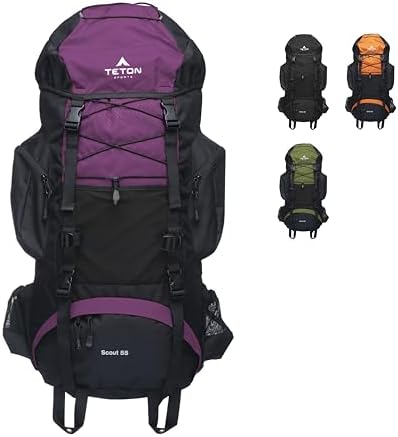
The Teton Scout works best when price and storage matter more than premium trail comfort. If you want budget overnight storage and can check torso fit before trusting it on trail, the Teton Scout deserves a look; if you need refined shoulder straps, a more supportive hip belt, easy trail access, or a fit that feels forgiving across body types, it gets risky fast. That is the buying fork here. The Scout can work for beginner backpacking, scout trips, and moderate weekend use, but it should not be treated like a premium heavy-load pack. The 55L gives the clearest picture of what this family does best, while the 45L and 65L need tighter size judgment.
Scorecard
| Metric | Value |
|---|---|
| DVSS Score | 92.23 |
| Satisfaction Tier | Exceptional |
| Dissatisfaction Score (DS) | 3.62% |
| Critical Dissatisfaction Rate (CDR) | 2.06% |
| Date Reviewed | 10 Apr 2026 |
Based on buyer feedback patterns, not hands-on testing. See how this scoring works.
The scorecard makes the Scout family look strong at first glance, but it should not end the decision because fit, size choice, and bulky sleep gear still decide whether that score applies to you. A strong score can support the value case; it cannot prove torso fit, waist fit, loaded comfort, or whether the lower compartment will work with bulky sleep gear.
Use the score as the positive starting point, then let the Quick Take narrow who should keep reading.
Quick Take
- Best For: Budget hikers, beginner backpackers, scout families, and weekend users who want organized storage.
- Not For: Ultralight hikers, technical long-distance backpackers, premium-suspension buyers, and hard-to-fit users.
- Top Strength: Organized capacity and usable space for the price.
- Main Limitation: Fit-sensitive comfort, especially when the load, torso, waist, or size choice does not line up.
The value case starts with storage, but it only holds if the trip stays moderate.
Where the Scout Earns Its Budget Case
Pay less for storage, not suspension: The Scout’s strongest case is simple. It gives budget backpackers a pack that feels more organized than a basic gear sack, with enough pockets and compartments to separate common overnight items. That matters if you are buying for a first backpacking setup, a scout trip, or occasional weekend use where price still controls the decision.
What the storage actually solves: The Scout’s appeal comes from organization, not premium carry tech. The pockets and compartments make the most sense with common weekend gear such as clothing, food, water, basic cooking gear, first-aid items, rain layers, and sleep gear. Treat that list as trip context, not a packing promise, because bulky gear can quickly change the result.
Trip use has a boundary: The Scout’s safest trip fit sits around overnight and long-weekend use, including two-day and three-day contexts, especially around the 55L. That does not mean every size or every gear setup works for those trips. Treat the Scout as a moderate backpacking pack when packing stays compact and fit checks out.
The Fit Catch Is Where the Verdict Tightens
Check the torso and waist before liters: fit matters more than the liter number here. The Scout can look like the easy budget choice on paper, but comfort depends on fit, load, and adjustment. Check the torso feel and waist-belt position before counting on it for longer miles.
Use load examples carefully: The safest way to read the load examples is that the Scout gets used for real backpacking, not that it has a fixed comfort rating once fit, waist position, and packing bulk are factored into the trip. That matters because a budget pack can feel like a bargain while empty and a compromise once the load exposes a poor fit.
Body type check: The Scout should not be framed as a universal fit. Fit can change with torso length, waist shape, and body type. If you already struggle with pack fit, or if you need a women-specific fit, long-torso fit, or more refined suspension, this is where a budget win can turn into a poor trail decision.
Storage Helps, but Access Has Limits
Compact sleep gear fits the story better: The sleeping bag compartment is useful, but it works better with compact sleep systems. Bulky winter bags can expose the Scout’s limits faster than the size label suggests. A compact mummy bag or compression sack can make the lower compartment more practical, but that still is not a guarantee that every sleeping bag will fit cleanly.
Do not count on quick-access pockets: The pocket count can look generous, but quick access is a different question. Side bottle pockets can feel tight, shallow, or hard to reach while wearing the pack. There are also no hip-belt pockets, so if you like to keep snacks, a phone, or small trail items close at hand, note this limitation before buying.
External carry: An exterior attachment can improve packing flexibility, especially when a pad or tent rides outside the pack. It also adds a catch. Gear strapped outside can be harder to protect and less tidy on the trail, and the rain cover should not be treated as waterproof protection for bulky external items.
Choose the Size by the Problem You Are Trying to Avoid
The Scout should not be treated like one pack that only changes by liters. Each size changes the risk. The 45L lowers bulk but narrows packing margin. The 55L gives the clearest family picture but still needs fit checks. The 65L adds room, but it can also add fit and bulk problems. Use the size notes as decision filters, not as a full size guide.
45L: Pick It Only If Compact Carry Matters More Than Trip Margin
The 45L is the Scout to consider when keeping bulk down matters more than building in extra trip margin. It fits the compact side of the family, especially if you want a smaller, simpler setup and your gear stays light enough to match that role. Smaller-frame hikers may find the idea appealing, but that does not remove the need to check fit.
The 45L label should keep the verdict narrow. It should not support broad multiday language. Adult buyers should be especially careful with torso fit because a compact role does not automatically mean a comfortable adult carry.
55L: Start Here If You Want the Clearest Scout Picture
The 55L gives the clearest picture of the Scout’s overnight and weekend role. It also carries the strongest 1–3-night use context, but that should remain tied to compact packing and not become a fixed trip-duration promise. If you want the most straightforward Scout size to judge, this is the one.
The 55L is not a shortcut around fit checks. It can work for scout, youth, and adult scenarios, but fit still changes across tall users, petite users, women-specific fit needs, and long-torso buyers. The 55L is the strongest family reference, not a universal body-fit answer.
65L: Size Up Only If Extra Room Will Not Create a Fit Problem
The 65L is the size-up option. It gives more room, but that does not automatically make it the better buy. Bigger changes in packing margin more than solve carry behavior.
Check the 65L carefully if you have a petite waist or shorter torso. Some taller hikers may find the larger size workable, but that should not turn into a broad recommendation for tall users. Choose the 65L only if you truly need the extra room and can still get the pack to ride correctly.
Who Should Think Twice
Think twice if you are trying to solve a fit problem by choosing a bigger Scout. The 65L adds space but can also add bulk and pose a fit risk. Think twice if you use bulky winter sleeping gear, need quick access to snacks or a phone while moving, or expect premium comfort over longer miles. This pack’s best case is budget storage for moderate backpacking, not technical long-distance comfort.
Buy or Skip?
Buy the Scout if price and organization matter more than refined suspension; skip it if a poor torso or waist match would turn a budget win into a loaded-carry problem. The better buyer is planning moderate overnight or weekend trips with compact gear and enough patience to check fit carefully.
Skip it if you want ultralight weight, premium load support, easy on-body access, or a pack that feels forgiving across many body shapes. In that case, a more refined hiking backpack may be the safer purchase.
Check Price:
See More Options:
