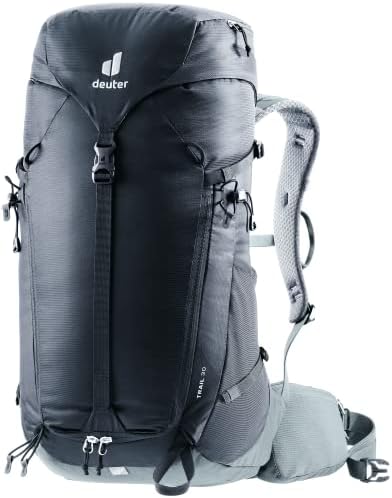
The Deuter Trail makes the most sense for day hikers who want a pack that feels stable, carries comfortably, and lets them reach buried gear without unloading half the bag. Across the 18L, 24L, 25L, and 30L sizes, buyers repeatedly praise the access design, carry comfort, and overall build quality.
The main caution is ventilation. Some owners are happy with the back panel and comfort, but others say it runs warm and can leave the back sweaty on harder efforts or in humid conditions. That does not make the pack a weak product. It just means the best buyer fit is narrower than the score alone might suggest.
Scorecard
| Metric | Value |
|---|---|
| DVSS Score | 83.72 |
| Satisfaction Tier | Excellent |
| Dissatisfaction Score (DS) | 8.26% |
| Critical Dissatisfaction Rate (CDR) | 6.09% |
That points to a strong satisfaction signal with some real tradeoffs. The weak spots look specific rather than widespread. Based on buyer feedback patterns, not hands-on testing. See how we score products.
Quick Take
- Best For: day hikers who want easier gear access than a typical top-loader
- Not For: sweaty hikers and hot-weather users who care a lot about back airflow
- Top Strength: quick access to gear plus comfortable carry
- Main Limitation: ventilation and fit details are not equally good for everyone
Key Practical Stats
- One 24L buyer fit a 400mm telephoto lens, extra lenses, layers, a water bottle, and camera batteries for a 1-month trip.
- One 24L buyer reported 3+ years and 100+ tours without problems.
- One 25L buyer said it handled a 40 km hike with a water bladder, pullover, food, blister supplies, and a power bank.
- Several 30L buyers describe it as suitable for 1–2-day tours, a quick overnight, or short travel.
Why Deuter Trail Buyers Like It
The clearest strength is access. Buyers repeatedly praise the lower or front-style access because it lets them reach gear near the bottom without having to unpack from the top. That shows up in hiking use, travel use, and even camera carry.
That matters because many hiking packs are fine once loaded, but annoying when you need to bury an item. Here, the access design is one of the few features buyers mention again and again, giving the pack a clear identity. Several reviews also mention useful compartments and a layout that feels practical rather than messy.
Deuter Trail Comfort in Real Use
Comfort is the second consistent win. Across the 24L, 25L, and 30L sizes, buyers describe the pack as comfortable, stable, and easy to carry on day hikes and longer outings. Some mention the straps, some mention the back structure, and some simply say the fit stays good over time.
I would still keep that claim bounded. The comfort signal is broad but not universal. A few buyers mention broad-shoulder fit issues, stiff adjustment straps, long loose straps, or limited pocket convenience on the hip belt. So the safest conclusion is that the carry system works well for many buyers, but it is not equally dialed in for every body shape.
Deuter Trail Ventilation Is the Real Tradeoff
This is the part where the review should stay cautious. The ventilation story is mixed, not clearly positive. One 18L buyer returned the pack for more ventilation, even though he liked the bag overall. A 30L critical review says the pack sits against the back, builds sweat quickly, and is less convincing for harder efforts.
At the same time, other reviews describe the pack as comfortable enough, breathable enough, or at least acceptable in normal use. So I would not call ventilation poor across the whole family. I would call it the main tradeoff, especially for hot climates, high-humidity hiking, and buyers who strongly prefer suspended-back airflow.
Deuter Trail Sizes and Buyer Fit
The 18L works best as a compact day pack. Buyers like its clean proportions, light feel, and quality, but one owner noted that the hip belt is not very substantial, and another returned it for better ventilation.
The 24L and 25L read like the middle ground. They get praise for day hiking, use of via ferrata, crossover travel, and practical organization. The 25L especially looks like a good fit for buyers who want hiking first but still care about carry-on or travel flexibility. The main caution is that one 25L owner found it fills up quickly with bulkier layers and would have preferred 30L for more room.
The 30L has the deepest feedback base and the widest range of positive use cases. Buyers use it for longer day hikes, 1–2 day outings, short vacations, and general outdoor use. Still, some reviews say the interior feels narrow, side storage gets tighter when the pack is stuffed, or the real usable space feels a bit less generous than expected.
Available Sizes
- 18L: best for compact day hiking and lighter loads; less ideal if you want stronger belt support or extra airflow.
- 24L: a versatile size for day hikes, via ferrata, and crossover travel use.
- 25L: useful if you want one bag for day hiking and travel, but it can feel tight with bulky clothing.
- 30L: the best-supported size in the review set and the strongest option for longer day hikes or light overnight use.
Most Likely Disappointment
The buyer most likely to feel let down is someone who sweats heavily, hikes in humid weather, or expects airy back-panel performance. The other likely mismatch is someone very sensitive to fit details like long, loose straps, narrow-feeling storage, or shoulder fit that does not line up with their build.
Buy or Skip
Buy it if your priority is a hiking pack with smart access, strong day-hike comfort, and a layout that makes real trail use easier. The best case is for buyers who value organization and quick access more than maximum back ventilation.
Skip it if ventilation is your top priority or if you already know you dislike packs that sit closer to the back. I would also be careful if you want a very roomy feel for the listed capacity, because a few buyers found some sizes narrower or filled more quickly than expected. Overall, this is a strong pack with a clear fit, not a universal fit.
Check Price:
See More Options: Compare More Hiking Backpacks →
