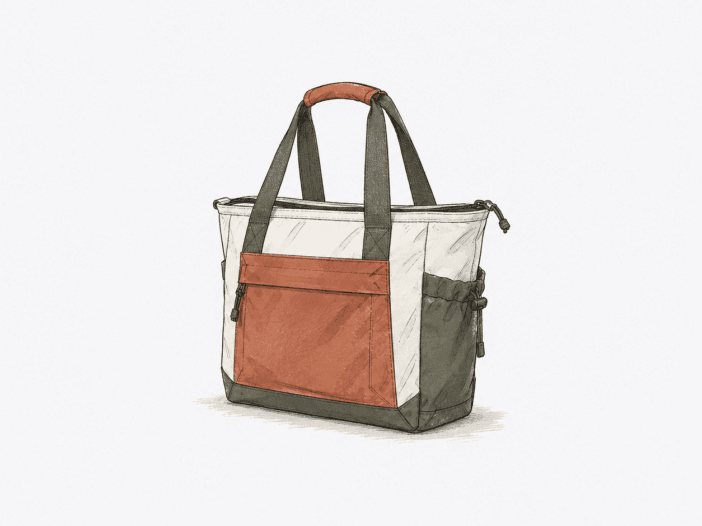
The Borealis Tote fits buyers who want a work or commute tote that can switch to backpack mode when hands-free carry matters. Buyer reports back up this flexible, mixed-item setup: laptop or tablet, notebooks, water, chargers, and daily gear all fit. Still, the conversion does not act like a true, fully adjustable backpack.
The real decision is not whether the bag works as a backpack—it does. The question is how often you plan to use backpack mode. Strap length, pressure points, load weight, body shape, clothing layers, and carry time all shift the fit from predictable to conditional.

Product Snapshot
The main value comes from tote-style access, flexible storage, and the option for hands-free carry. This is not a substitute for a fully structured backpack.
| Product detail | Decision relevance |
| Convertible tote/shoulder-to-backpack carry | Useful when a tote-first routine sometimes needs hands-free carry; backpack ergonomics are the main trade-off. |
| Deep, flexible storage with laptop sleeve, side pockets, and additional zippered storage | Suits mixed work, school, or travel loads better than buyers who want rigid compartmentalization. |
| Buyer-reported laptop and tablet fit | MacBook and iPad examples are positive, but one 15.6-inch Surface Book 3 was too thick for the sleeve, so screen size alone is not a reliable fit rule. |
| No decision-relevant variant established | One Size and color differences in the evidence do not change the buyer-fit conclusions. |
Buyer Evidence Metrics
The strongest metric signals point to one buying question: the convertible design adds real flexibility, but backpack-mode fit and handling don’t work the same for every buyer.
| Buyer Question | Metric | Evidence |
| How often does carry-mode versatility appear together with backpack comfort friction? | TCR 0.50 | Moderate · n=18 |
| Does the quick-conversion mechanism also show a recurring handling-stability trade-off? | TCR 0.57 | Limited · n=7 |
| Does body size or bulky layering cleanly separate easier from tighter backpack fit? | UBC 0.71 | Limited · n=7 |
How these metrics work:
- Trade-Off Coupling Rate (TCR) measures how often an evidence-supported strength appears together with a specific friction among eligible buyer evidence. It does not establish causation or failure probability.
- Use Boundary Consistency (UBC) measures how consistently eligible buyer evidence separates a supported use case from the condition where that use becomes more limited or conditional. It is not a probability of fit.
- n is the number of relevant, eligible, deduplicated buyer observations used for that metric—not the product’s total review count.
- These are buyer-evidence signals, not product-performance scores.
See how these buyer-evidence metrics work.
Backpack mode is a conditional convenience, not proof of real backpack comfort. The UBC signal doesn’t guarantee a better fit for smaller buyers—some smaller- or regular-shoulder buyers still report a snug or tough fit.
Fit–Friction Matrix
This bag lines up best when tote or shoulder carry is your main use, and backpack mode is just an option.
| Buyer Setup / Context | Fit Signal | Main Friction |
| Work or commute load with laptop/tablet, notebooks or books, water, and daily essentials; tote-first with occasional backpack use | Recurring Strong Fit | Backpack comfort can deteriorate with longer wear, fuller loads, or individual strap fit. |
| Backpack mode as a primary or extended carry method | Conditional Fit | Short or nonadjustable straps, pressure, chafing, and limited padding recur, although positive counterexamples exist. |
| Wider shoulders, larger build, or bulky outer layer in backpack mode | Limited Fit | Tightness and short-strap complaints recur; smaller stature still does not guarantee comfort. |
| Deep mixed-item load where flexible space matters more than precise organization | Generally Works | Deep storage can make small items harder to find, and some buyers want more structure. |
| Laptop or tablet carry using the internal sleeve | Conditional Fit | MacBook and iPad examples are positive, but one 15.6-inch Surface Book 3 was too thick for the sleeve; device thickness matters. |
| Opening or lifting the bag while relying on one side of the convertible strap | Conditional Fit | Several buyers report shifting, collapse, tipping, or spill risk if the bag is open. |
Backpack Mode Works Best as an Option, Not an Assumption
Backpack use sets the clearest buyer boundary. Some buyers, including one smaller user who carried it daily for work and travel, report comfortable backpack carry. Still, more buyers mention short or fixed straps, pressure from hardware or seams, tight arm openings, chafing, or discomfort as loads and carry time go up.
Body size explains some of the pattern, but not enough to predict fit on its own. Wider shoulders, bigger builds, and bulky winter layers show more friction, but smaller and regular-shoulder users also report snug fits. If you plan to use backpack mode as your main carry, this uncertainty matters more than the bag’s ability to switch modes.
Flexible Capacity Favors Varied Loads Over Precise Organization
The Borealis Tote works better for buyers who want open space to mix gear types, not for those who want every small item in its own compartment.
- Laptop and work gear: buyers report carrying MacBooks with chargers, adapters, books, notebooks, planners, and clothing. One college user placed a 15.6-inch Surface Book 3 in the main compartment because it was too thick for the sleeve, while an iPad Pro fit the sleeve.
- Large bottles: buyer examples include a 40 oz Stanley and using the side pockets for large bottles. One Q&A notes that bottle fit becomes more conditional when the main compartment is already full.
- Travel extras: buyer setups include headphones, a neck pillow, clothing, snacks, and other personal items. The open capacity is useful, but some buyers report losing track of smaller items deep in the bag.
This storage style stays flexible rather than highly structured. Buyers who use pouches or their own organizers may like that. Buyers who want a tightly segmented work brief may find it less satisfying.
The Conversion Mechanism Adds Mobility but Changes How the Bag Handles
The strap system brings a trade-off. The same mechanism that lets the bag switch carry modes can make one-handed tote handling less stable for some buyers.
Several buyers focused on the mechanism describe the bag shifting, scrunching, collapsing, or tipping when one convertible strap is pulled while the bag hangs or gets opened. Other buyers call the conversion easy and useful, so this is not a universal problem. This trade-off matters most if you often open a tote while it hangs from one shoulder or grab it by a single strap.
What Buyers Should Check Before Buying
The most useful pre-purchase checks focus on fit and daily routine, not headline features.
- Decide if backpack mode is just an occasional need or your main carry. The evidence favors buyers who use the bag as a tote first and only switch to backpack mode sometimes.
- Check backpack fit with your usual clothing and load. Wider shoulders and bulky layers create more friction, but height or a smaller build alone doesn’t guarantee comfort.
- Check your laptop by thickness, not just screen size. Buyers with MacBooks report good fits, but a 15.6-inch Surface Book 3 was too thick for the sleeve.
- Pick between flexible space and structured organization. The deep main compartment handles mixed loads well, but some buyers want more internal structure or easier access to small items.
- Think about how you open a shoulder-carried tote. If you often open the bag while it hangs from one shoulder, the convertible strap’s tendency to shift in some reports deserves attention.
- Treat weather protection and cleaning as open questions. Buyer reports conflict on rain protection and washability, so the evidence does not establish waterproof performance or a universal cleaning method.
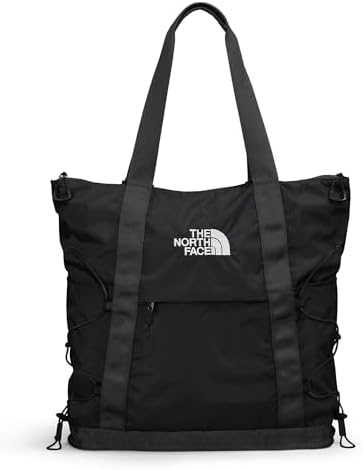
Convertible carry is only one way to solve the laptop-tote problem. Compare the best laptop tote bags by carry pattern → before deciding which setup fits your routine.
